
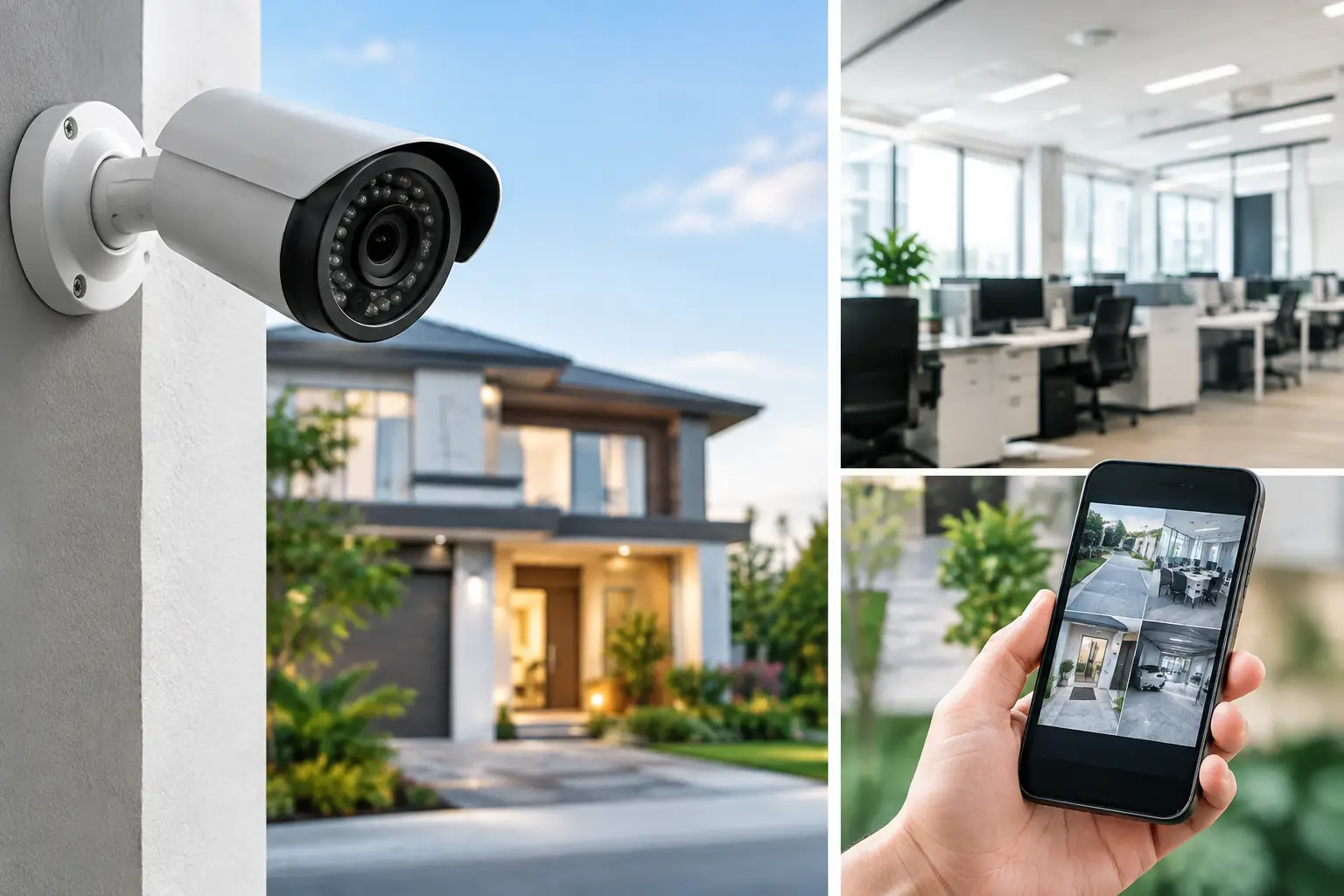
A camera mounted in the wrong place can be more than an eyesore. It can miss the approach to a front door, flood an entrance with glare at night, or leave the owner searching through several apps when an alert arrives. Well-designed CCTV systems avoid these frustrations. They provide useful visibility when it matters, while respecting the architecture, interiors and daily rhythm of the building.
For a London townhouse, country home, office refurbishment or multi-storey development, the goal is rarely to install the greatest possible number of cameras. The better outcome is a considered security system: one that covers genuine risks, records clear evidence, integrates with the wider technology design and remains straightforward for occupants, facilities teams and security personnel to operate.
What a CCTV system should achieve
CCTV is often discussed as a deterrent, and visible cameras can certainly discourage opportunistic intrusion. But deterrence is only one part of the brief. A properly specified system should help residents or building managers understand what is happening around a property, verify an event quickly and retain usable footage if it is needed later.
This calls for more than high-resolution cameras. A crisp image is of limited value if a visitor is backlit by a bright entrance, a number plate is captured only as an unreadable blur, or footage is overwritten before an incident is discovered. The system must be designed around sightlines, light levels, recording capacity, network performance and the way people will actually use it.
In premium residential settings, discretion is equally important. Camera positions, containment routes and external finishes should be coordinated with the architect and interior designer from the outset. In commercial projects, the same care supports a more ordered installation, easier maintenance and a professional environment for staff and visitors.
Planning CCTV systems around real risks
The starting point is a site assessment, not a catalogue of camera models. Every building has different access points, patterns of movement and areas of value. A detached home may need clear coverage of vehicle gates, delivery routes, garden boundaries and secondary entrances. A central London residence might place greater emphasis on the street entrance, communal approach, service access and discreet perimeter views.
An office or mixed-use building introduces another layer of consideration. Reception areas, loading bays, car parks, lift lobbies, plant rooms and floor entrances may all require a different type of view. The purpose of each camera should be agreed before installation. Is it intended to identify a person at a doorway, observe activity across a wider space, monitor vehicles, or support safe operation in a restricted area? The answer determines camera position, lens choice and lighting requirements.
Coverage is not the same as identification
A wide-angle camera can show that someone entered a courtyard. It may not provide the detail needed to identify them. Conversely, a tightly framed camera can capture a face or vehicle plate but will not explain the wider context of an event.
The strongest designs combine these perspectives where necessary. Overview cameras establish what happened and where. Carefully positioned identification cameras provide detail at key thresholds, such as gates, main entrances and vehicle access points. This approach avoids both blind spots and unnecessary visual clutter.
Night-time performance deserves the same attention. Infrared illumination can be highly effective, but reflective surfaces, glass, rain and poorly positioned external lighting can reduce image quality. In some locations, designed lighting provides a better result than relying exclusively on infrared. Coordinating CCTV with landscape, façade and entrance lighting early in the project prevents compromise later.
Recording, retention and resilience
Footage needs a secure place to live. Recording equipment should be located in an appropriate, protected area, with enough storage to meet the agreed retention period and anticipated camera activity. A quiet residential street and a busy office reception create very different storage demands.
Remote viewing is valuable, particularly for clients who travel or manage several properties, but it should never be treated as the only route to footage. Local recording, protected network configuration and an approach to power continuity all contribute to a system that remains useful during a network outage or attempted interference. The right balance depends on the property, its risk profile and the level of operational continuity required.
Integrating CCTV with the wider building
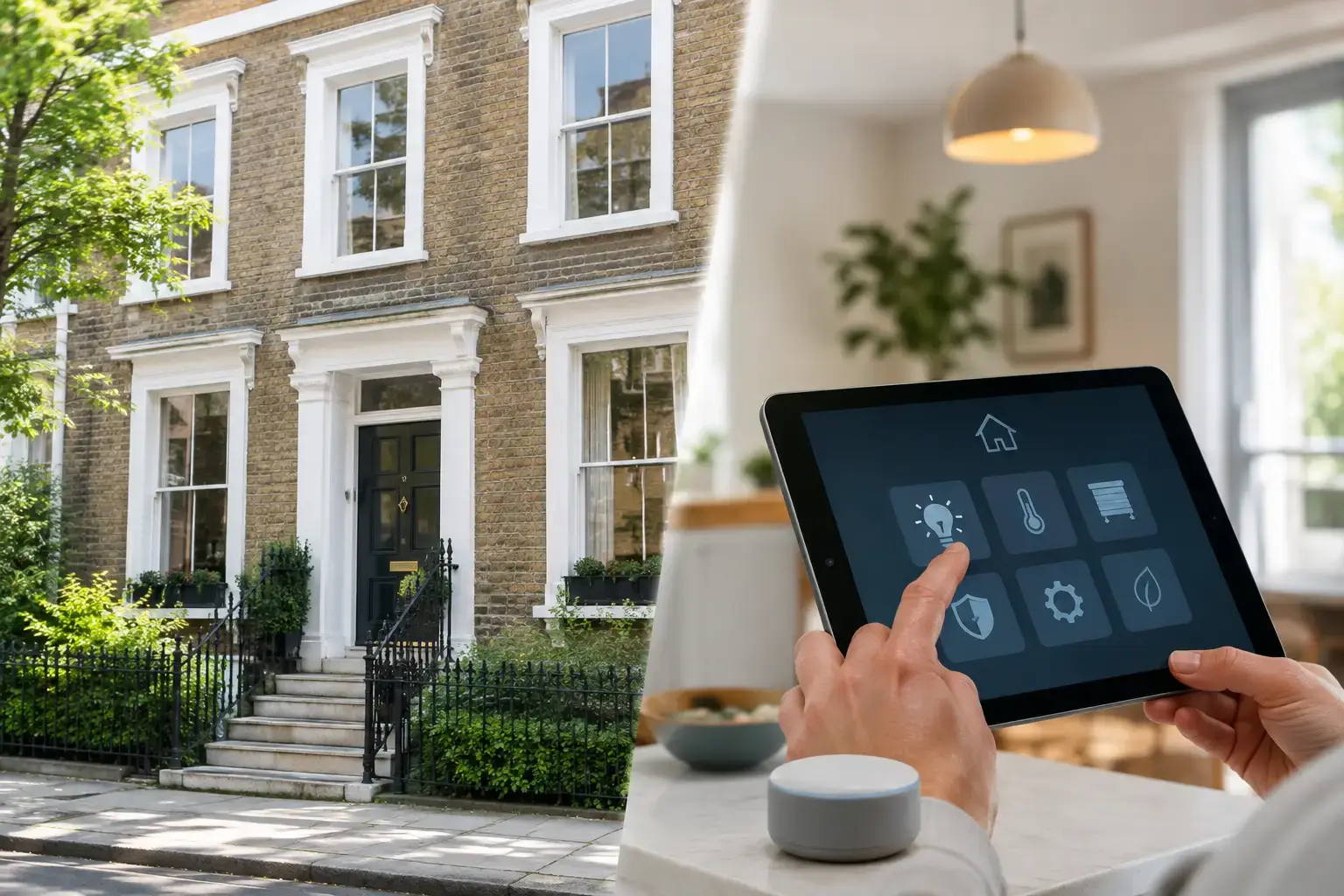
The most satisfying security systems feel connected rather than pieced together. When a visitor presses an intercom at the gate, the relevant camera image can appear on an in-home touch panel, a selected display or an authorised mobile device. The resident can see who is there before deciding whether to grant access.
That same integration can improve practical day-to-day control. A gate or access-control event can call up the relevant camera feed. An alarm activation can prompt a view of the affected area. At a commercial reception, staff can verify a delivery or contractor before releasing a door. The experience is calmer because the right information appears at the right moment, rather than requiring the user to open and navigate a separate application.
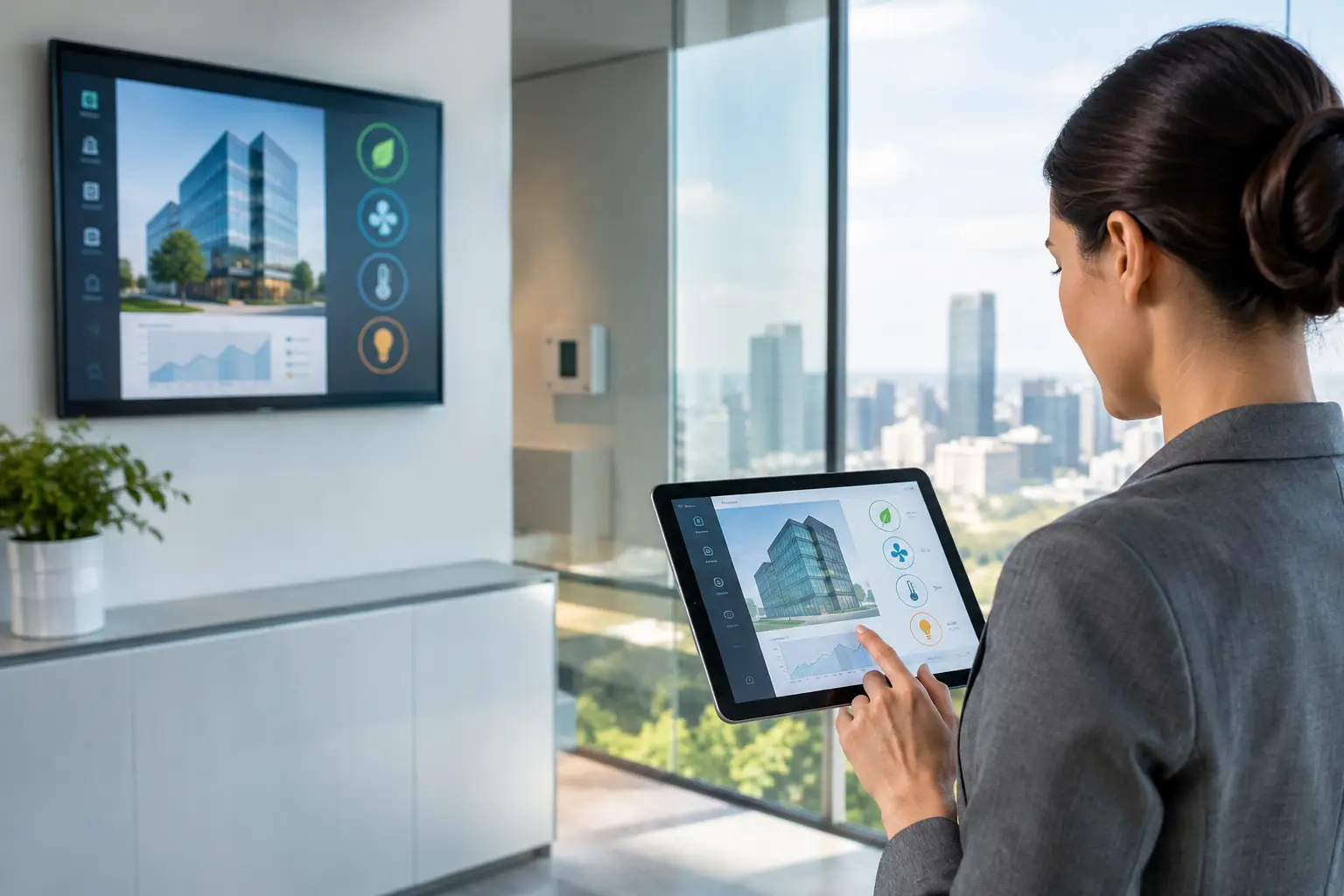
This does not mean every camera should appear on every screen. Good interface design is selective. A family may want a simple view of the front entrance and driveway, while a facilities manager may require access to a broader group of cameras. Permission levels should reflect the building, the people using it and the sensitivity of the spaces being monitored.
The network is part of the security design
Modern IP cameras rely on the network, which makes network infrastructure a core element of CCTV performance. Camera traffic must be accommodated without affecting video calls, streaming, building controls or business operations. Managed network equipment, sensible segmentation and well-planned cabling create a more dependable foundation and allow future expansion without an improvised redesign.
This is especially relevant on renovations, where existing cabling may be unknown, inadequate or difficult to access. Early coordination can identify routes that preserve the interior finish while ensuring cameras receive suitable power and reliable data connectivity. For new-build projects, installing the right infrastructure before walls and ceilings are closed is usually simpler, neater and more cost-effective.
Privacy, placement and responsible operation
CCTV must protect people and property without becoming unnecessarily intrusive. Residential cameras should be positioned to focus on the client’s own entrances, land and external boundaries wherever possible. Views into neighbours’ gardens, windows or private spaces should be avoided. Audio recording should be considered with particular care, as it can raise additional privacy concerns and is not required for every application.
For commercial premises, the responsibilities are broader. Employers and building operators should be clear about why cameras are in place, who can view recordings, how long footage is retained and how access is controlled. Signage, policies and data handling should be considered alongside the technical installation. Areas such as toilets, changing rooms and other private spaces should never be monitored.
A thoughtful specification makes these principles easier to maintain. Restricting access to authorised users, setting appropriate retention periods and documenting the purpose of each camera all help create a system that is proportionate as well as effective.
Choosing equipment without being led by specifications
It is easy to be drawn to headline features: very high megapixel counts, artificial intelligence alerts, colour night vision or long lists of analytics. These tools can be useful, but their value depends on the environment and the brief.
People and vehicle detection, for example, can reduce nuisance notifications caused by rain, branches or passing wildlife. In a busy urban setting, however, alerts need careful configuration or they quickly become background noise. Number-plate recognition can support vehicle access and incident review, but it requires the correct camera angle, lighting and vehicle speed conditions. A feature that is excellent on a controlled driveway may be unsuitable for a public road.
Likewise, the most discreet camera is not automatically the best choice. A compact unit may suit a protected entrance, while a more visible external camera can offer stronger deterrence and better positioning on a perimeter. The right answer comes from balancing performance, aesthetics, privacy and maintenance access.
Design for the long term
CCTV is not a fit-and-forget element of a building. Landscaping grows, a property changes hands, an office layout is reconfigured and new access routes emerge. Periodic review helps ensure views remain clear, recording is functioning as expected and the controls still suit the people responsible for the property.
A considered installation also makes servicing less disruptive. Accessible equipment locations, labelled cabling, documented camera views and a clear handover reduce uncertainty when support is needed. For clients, this is the difference between owning a sophisticated system and being able to rely on it with confidence.
The best CCTV system is one that quietly earns its place in the building: discreet in appearance, purposeful in operation and simple to call upon when reassurance or evidence is genuinely needed.




Keep In Touch