
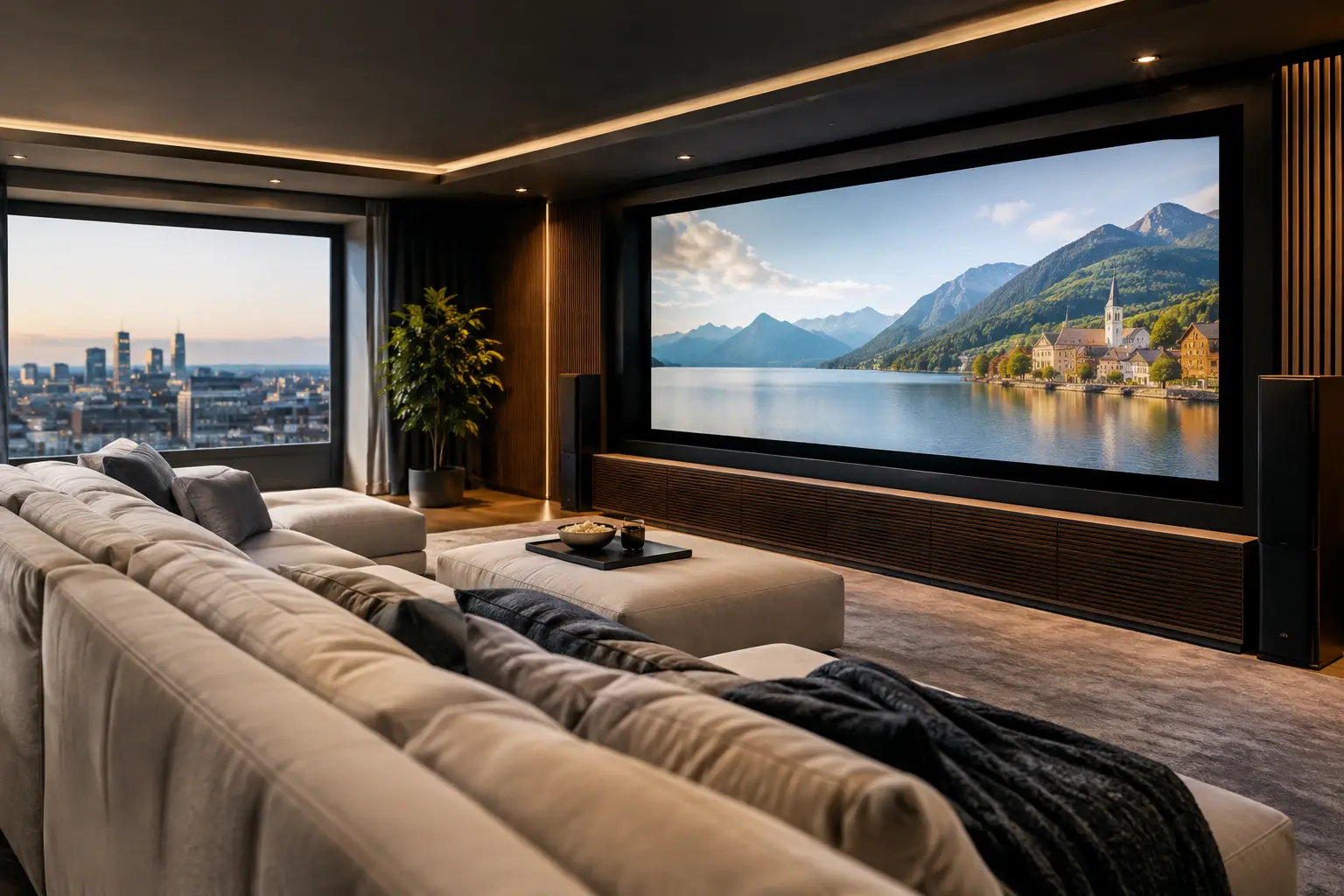
A memorable film night is rarely defined by the size of the screen alone. In a well-considered Home Cinema Design London project, the room feels calm before the opening scene begins: lighting settles, sound fills the space without spilling through the house, and everything works from one clear control interface.
For London homes, where architecture, heritage details and available space can all shape the brief, the best cinemas are designed as part of the property rather than added as a collection of equipment. That distinction affects the viewing experience, the interior aesthetic and the long-term reliability of the system.
Start with the room, not the screen
A dedicated cinema room offers the greatest freedom. It can be acoustically treated, darkened fully and arranged around ideal seating positions. Yet a media room can be the better answer for a family home that needs to work just as well for entertaining, gaming or relaxed daytime viewing.
Neither approach is inherently better. A lower-ground room may provide useful separation from living spaces but require careful ventilation and moisture planning. A reception room may have generous proportions and natural character, but large windows, hard finishes and listed-building restrictions need to be addressed early. The right solution begins with how the room will genuinely be used.
Screen choice follows that decision. A large-format television can deliver exceptional brightness in a multi-purpose space with ambient light. A projector and projection screen often create a more cinematic scale in a controlled environment, but need considered sightlines, blackout treatment and suitable projector placement. It is not simply a question of choosing the biggest image possible; seating distance, room proportions and content habits all matter.
Sound should be heard, not seen
A cinema system earns its place through sound as much as picture. Dialogue should remain clear at low volume, music should feel detailed, and action scenes should have impact without becoming fatiguing. Achieving that balance relies on speaker positions, amplification, room construction and acoustic treatment working together.
Discreet architectural speakers can be integrated into walls or ceilings where the interior demands a minimal visual presence. In other rooms, carefully selected visible speakers may be part of the design. Both can perform brilliantly when specified for the space. What cannot be treated as an afterthought is acoustics.
Plaster, glass, timber and stone are beautiful materials, but their reflective surfaces can make a room sound harsh or unclear. Acoustic panels, fabric finishes, rugs, specialist joinery and concealed treatments can control reflections without making the room resemble a recording studio. Where the cinema is close to bedrooms or neighbouring properties, sound isolation should be considered during construction, when walls, floors and ceilings are still accessible.
Plan infrastructure before finishes are fixed
The most elegant home cinemas depend on work that is largely invisible. Cabling routes, equipment locations, network capacity, ventilation and power requirements should be coordinated with the architect, interior designer and contractor before plastering, joinery and decoration begin.
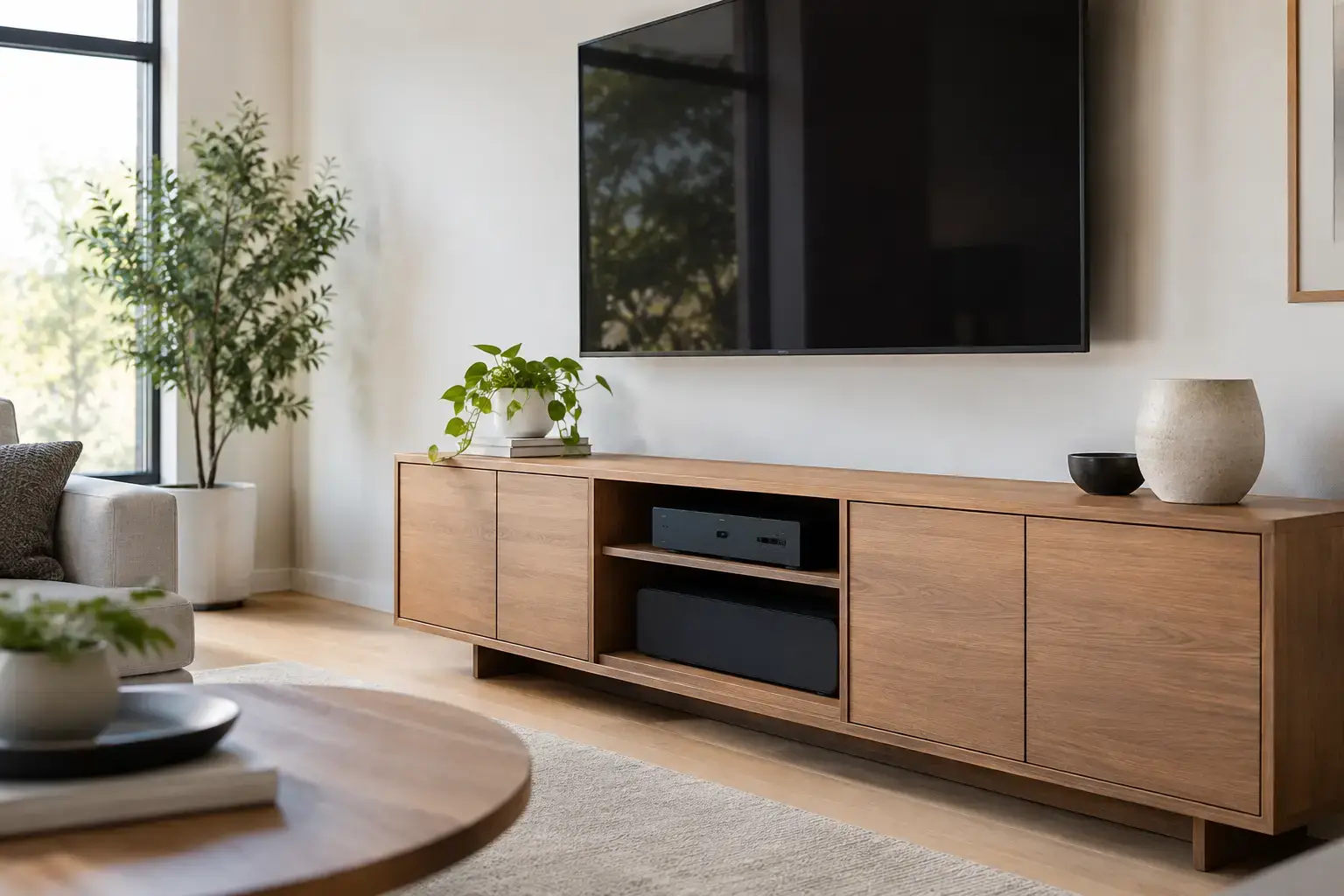
Centralising source equipment can keep a cinema room free from visible boxes and reduce heat and fan noise. It also makes future servicing more straightforward. A reliable wired network is equally valuable, particularly where high-resolution streaming, gaming, multi-room audio and smart-home control share the same connection. Wi-Fi has an important role, but it should not be asked to carry every critical task alone.
Home cinema design in London needs joined-up control
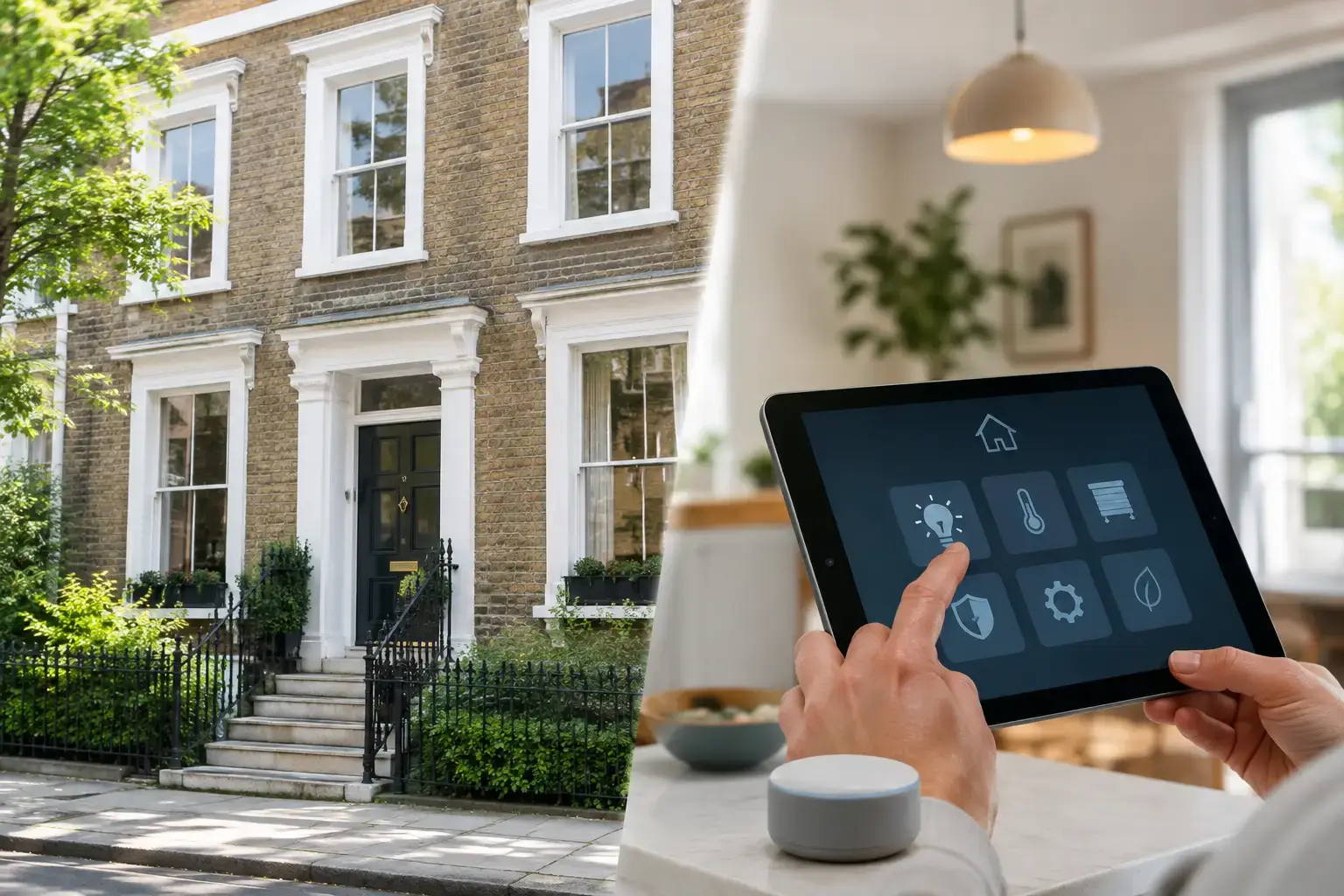
A cinema should not require a coffee table full of remotes or a different app for every device. One intuitive interface can prepare the room in moments: lower blinds, dim automated lighting, select the chosen source and set an appropriate viewing scene.
The control experience should suit the household. Some clients prefer a wall keypad for immediate access to everyday settings; others want a handheld remote, touch panel or simple mobile control. The most successful systems provide familiar, clear choices rather than exposing unnecessary technical settings.
Integration also creates useful links with the wider home. A doorbell notification can appear discreetly during a film. Climate control can maintain comfort as the room fills with people. Lighting can rise gently when playback pauses. These details are not gimmicks when they reduce interruptions and make the space easier to enjoy.
Design for change as well as opening night
Cinema technology evolves, and a bespoke installation should allow for sensible upgrades. Accessible equipment racks, spare cable capacity and a properly documented system make it easier to replace a source device, add a new streaming service or refine the setup later.
This is where experienced coordination matters. MOSAIC Audio & Visual designs integrated entertainment environments around the room, the building and the people using them, rather than forcing a standard package into a bespoke home.
The best starting point is a conversation before the layout is finalised. Bring reference images, plans and an honest picture of how your household watches, listens and relaxes. A cinema that respects those habits will feel considered for years, not merely impressive on its first evening.




Keep In Touch